As material costs, international shipping expenses, and project requirements evolve, effective FF&E value engineering has become an essential part of commercial furniture procurement.
However, value engineering is not simply about choosing less expensive furniture. It is about identifying opportunities to optimize specifications, purchasing decisions, and project execution while maintaining the original design intent, functionality, and long-term performance.
Here are seven practical approaches to FF&E value engineering that can help commercial projects achieve better results without unnecessary compromises.
1. Prioritize High-Impact Furniture Investments
Not every furniture item contributes equally to the overall experience of a space. One of the most effective value engineering strategies is to identify where investment has the greatest impact.
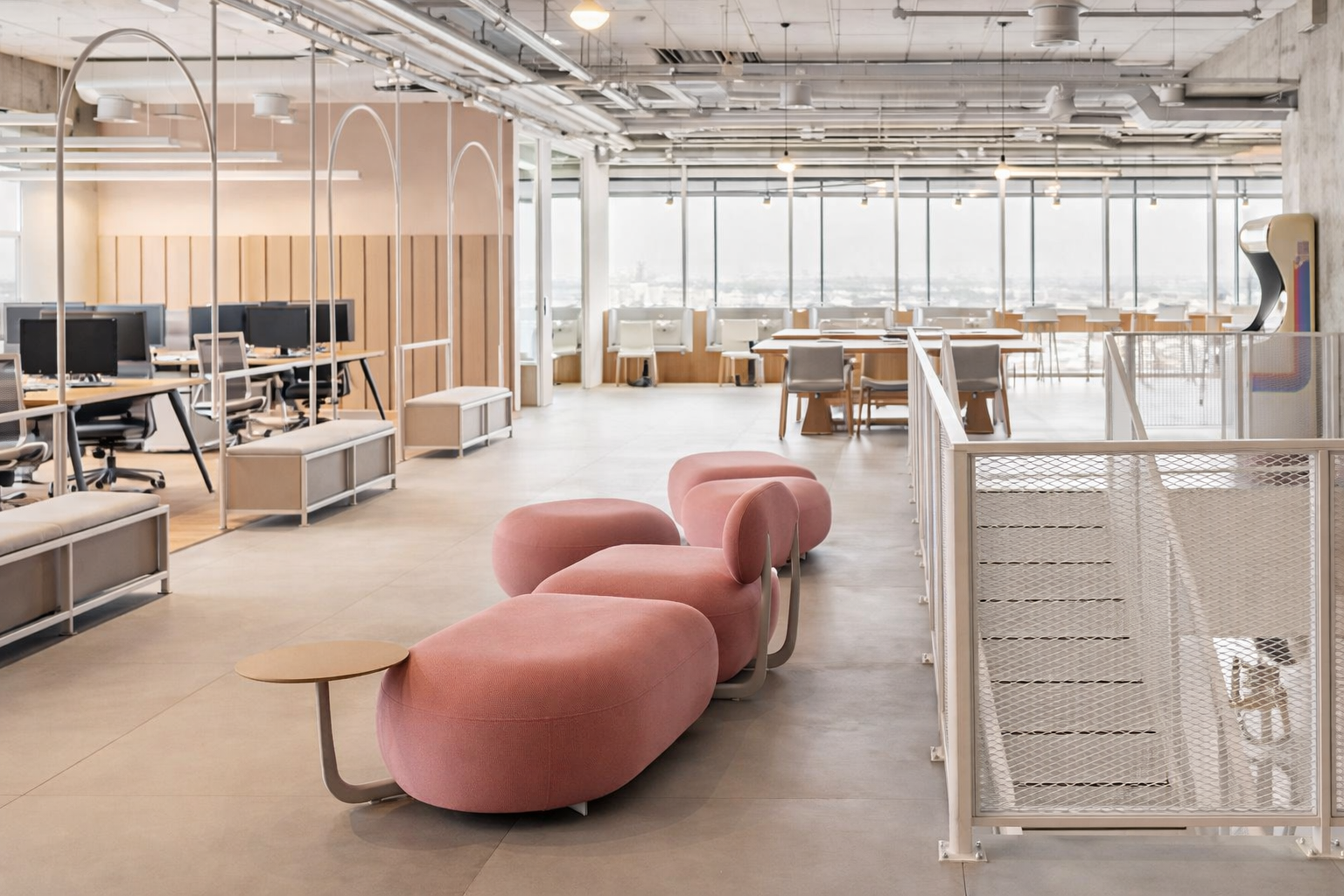
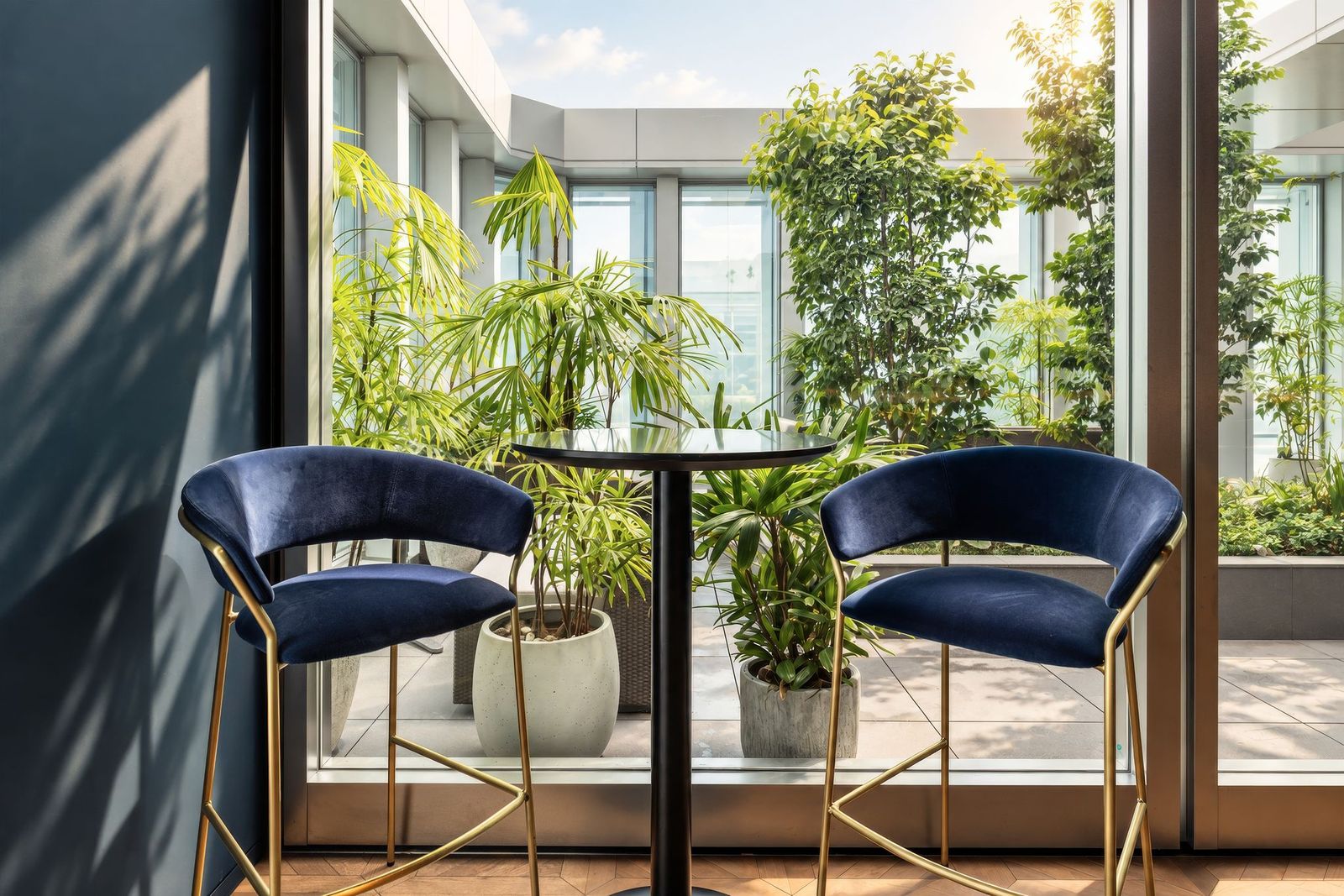
In hospitality projects, statement seating in reception areas, lounges, and restaurants may play a central role in establishing the property's identity. In workplaces, ergonomic task chairs and frequently used meeting furniture may have a greater influence on comfort and operational performance.
Rather than reducing costs uniformly across all categories, project teams can allocate more of the FF&E budget toward high-visibility and high-use products while exploring economical alternatives for secondary spaces.
This targeted approach protects the elements that matter most to the project's design and user experience.
2. Explore Alternative Manufacturers and Equivalent Specifications
A specified furniture product may meet the project's aesthetic requirements but exceed its available budget. In these situations, exploring alternative manufacturers can create opportunities for significant cost optimization.
The key is to evaluate products based on comparable specifications rather than appearance alone.
Important considerations include:
Dimensions, proportions, and overall design
Frame construction and material quality
Upholstery, finishes, and available color options
Durability, maintenance requirements, and warranty coverage
Commercial suitability and relevant certifications
Manufacturing lead times and delivery requirements
Working with a furniture procurement partner that has access to multiple international manufacturers can broaden the available options without restricting the project to a single brand.
At IROCO Design, our multi-brand approach allows project teams to explore furniture alternatives that align with their design direction, technical requirements, and budget.
3. Standardize Furniture Specifications Across Spaces
Excessive variation in furniture specifications can increase procurement complexity, manufacturing costs, and ongoing maintenance requirements.
Standardizing selected furniture categories across multiple rooms, floors, or properties can simplify purchasing and improve cost efficiency.
For example, a hotel development may use the same dining chair model across several restaurant and lounge areas while introducing different upholstery colors or finishes to distinguish individual spaces.
Similarly, office projects can standardize task chairs, meeting tables, and storage solutions while maintaining flexibility in layout and configuration.
Standardization can offer several advantages, including more efficient order management, greater potential for volume pricing, simplified spare-part procurement, and more consistent maintenance.
The objective is not to make every space look identical, but to create consistency where it provides operational and financial value.
4. Optimize Materials, Upholstery, and Finishes
Material selection is another important opportunity for FF&E value engineering.
A product's cost can vary substantially depending on its upholstery category, surface finish, frame material, and manufacturing requirements.
For example, choosing a suitable contract-grade textile instead of premium leather may reduce initial costs while providing durability appropriate for a high-traffic environment. Similarly, selecting standard manufacturer finishes instead of custom finishes can reduce production complexity and potential lead times.
However, material substitutions should always consider the intended application.
For commercial interiors, factors such as abrasion resistance, cleanability, fire-performance requirements, moisture exposure, and maintenance frequency should be evaluated before making changes.
The most effective specification is not necessarily the most expensive one, but the one that provides the appropriate balance of aesthetics, performance, and lifecycle cost.
5. Consolidate Procurement and Coordinate International Logistics
Furniture procurement frequently involves multiple manufacturers, production schedules, shipping arrangements, and delivery requirements.
When these processes are managed independently, projects may encounter duplicated freight costs, inefficient shipments, administrative complexity, and coordination delays.
Consolidating procurement through a coordinated purchasing strategy can help reduce unnecessary logistical expenses and improve project visibility.
Depending on supplier locations, production schedules, and shipping requirements, opportunities may include combining compatible shipments, coordinating deliveries, and planning orders around project milestones.
Early coordination is particularly valuable for imported furniture, where freight, customs clearance, handling, and final delivery can influence the total landed cost.
A centralized procurement approach can also provide greater clarity regarding supplier communication, lead times, and installation schedules.
6. Evaluate Lifecycle Costs Instead of Purchase Price Alone
One of the most common mistakes in FF&E budgeting is evaluating products exclusively by their initial purchase price.
A lower-cost product may appear attractive during procurement but result in higher expenses over time if it requires frequent repairs, replacement, or intensive maintenance.
Lifecycle cost evaluation considers the broader financial impact of a furniture investment, including:
Initial purchase and delivery costs
Expected product lifespan
Cleaning and maintenance requirements
Repairability and availability of replacement parts
Warranty and after-sales support
Replacement frequency and disposal costs
For high-use commercial environments, durable furniture with replaceable components may provide better long-term value than a cheaper alternative with a shorter service life.
Value engineering should therefore consider the total cost of ownership rather than focusing only on immediate savings.
7. Introduce Value Engineering Early in the Design Process
The timing of value engineering can significantly influence its effectiveness.
When cost optimization begins only after furniture specifications have been finalized, project teams may face limited alternatives, rushed substitutions, or additional design revisions.
Introducing FF&E procurement expertise during the early design stages allows teams to evaluate budgets, product availability, technical requirements, and manufacturing lead times before major purchasing decisions are made.
Early collaboration between designers, procurement specialists, and project stakeholders can help identify potential challenges before they affect the schedule or budget.
This approach also creates opportunities to compare alternative specifications, coordinate product samples, and develop more accurate cost estimates.
Ultimately, value engineering is most effective when it is treated as part of the design and procurement strategy rather than a last-minute cost-cutting exercise.
Achieving Better FF&E Value Through Strategic Procurement
Successful FF&E value engineering is about making informed decisions that preserve design quality while improving cost efficiency, functionality, and long-term performance.
By prioritizing key investments, exploring alternative manufacturers, standardizing specifications, optimizing materials, coordinating logistics, evaluating lifecycle costs, and involving procurement specialists early, commercial projects can achieve greater value from their furniture budgets.
For architects, interior designers, developers, and hospitality operators, the right procurement strategy can make the difference between simply meeting a budget and delivering a well-designed, commercially successful space.
How IROCO Design Can Help
IROCO Design supports commercial projects across Japan with international furniture sourcing, specification support, procurement coordination, and delivery and installation services.
Through our multi-brand network and experience across hospitality, workplace, retail, and other commercial environments, we help project teams identify furniture solutions that balance design intent, project requirements, and budget considerations.
Whether you are developing a new hotel, planning an office fit-out, or furnishing a commercial space, our team can help you explore practical FF&E solutions tailored to your project.
Contact IROCO Design to discuss your next commercial furniture project.