Unlike residential interiors, commercial facilities often accommodate a continuous flow of visitors, employees, and guests. Furniture may be used by hundreds of people throughout the day, making durability, maintenance, and long-term functionality just as important as aesthetics.
For architects, interior designers, and facility operators, selecting commercial furniture requires an understanding of how each piece will perform over time.
Here are the key considerations when choosing furniture for high-traffic commercial environments.
1. Understand How the Space Will Be Used
Every commercial environment has different functional requirements. Before selecting furniture, it is important to consider who will use the space, how frequently it will be occupied, and the activities that will take place.
A hotel lobby, for example, requires comfortable seating that welcomes guests throughout the day. Restaurant furniture must accommodate frequent movement and cleaning, while office lounges benefit from flexible arrangements that support both individual work and informal collaboration.
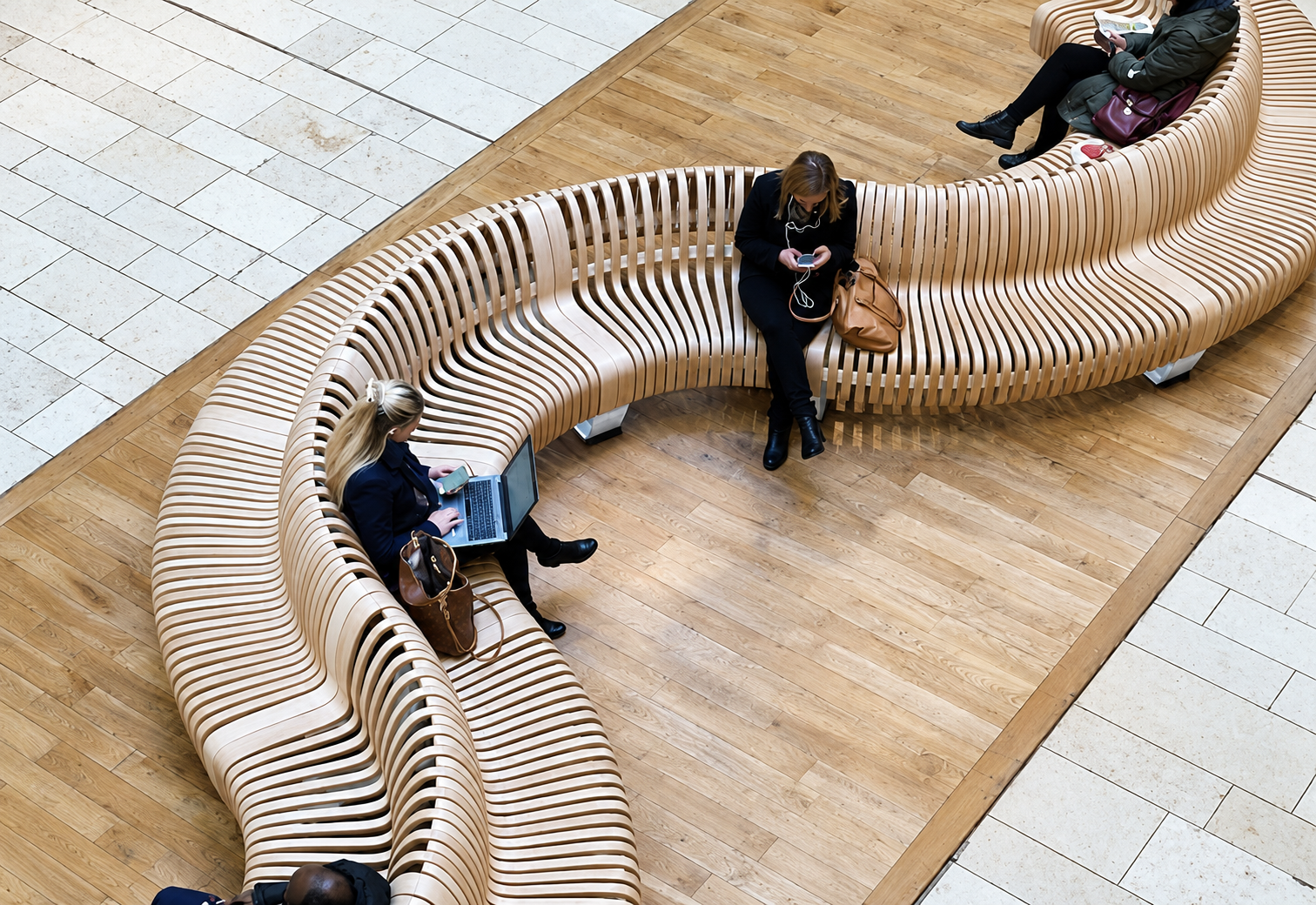
In high-traffic environments such as shopping malls, airports, and public waiting areas, seating must also accommodate a diverse range of users while maintaining accessibility and efficient circulation.
Understanding the relationship between people, furniture, and space is the foundation of effective commercial furniture selection.
2. Prioritize Durability Without Compromising Design
One of the most important differences between residential and contract furniture is the level of use it must withstand.
In busy commercial environments, furniture is repeatedly subjected to movement, weight, friction, and daily cleaning. Selecting products with suitable construction and materials can help maintain their appearance and performance over time.
When evaluating durable commercial furniture, consider:
Structural integrity: Frames, joints, and supporting components should be appropriate for repeated use.
Upholstery performance: Fabrics and leather should be selected according to expected wear, cleaning requirements, and maintenance conditions.
Surface durability: Tabletop finishes should be suitable for frequent contact, spills, and cleaning.
Product testing: Where relevant, request information on commercial-use testing, load capacity, and applicable performance standards.
Durability does not have to come at the expense of design. Carefully selected contract furniture can deliver a refined aesthetic while meeting the practical requirements of commercial interiors.
3. Select Materials That Support Everyday Maintenance
Materials influence not only the appearance of furniture but also the effort required to maintain it.
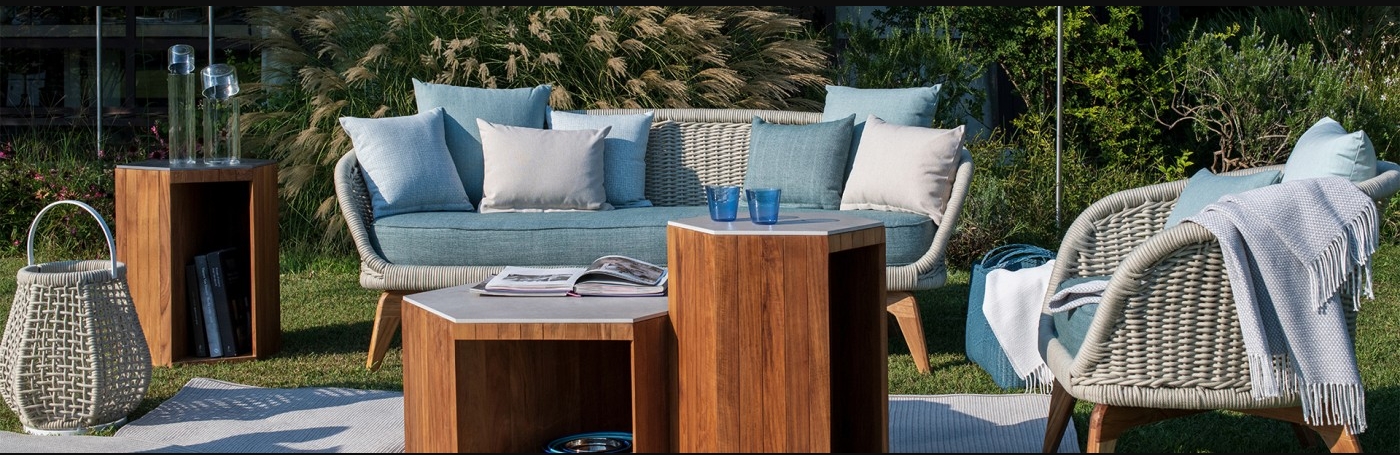
For restaurants and cafés, easy-to-clean tabletops and seating surfaces can simplify daily operations. In hotel lounges and waiting areas, upholstery should be selected with consideration for frequent use, stains, and long-term visual consistency. Wood, metal, upholstered furniture, and composite materials each offer different advantages depending on the application.
For example, powder-coated metal can provide a practical finish for certain high-use applications, while appropriately specified textiles can introduce warmth and comfort to shared spaces.
Designers should also consider whether upholstery can be replaced, components can be repaired, or surfaces can be refinished.
Furniture that is easier to maintain and repair can contribute to a longer product lifespan and reduce the need for premature replacement.
4. Balance Comfort, Functionality, and Spatial Efficiency
Comfort is an essential consideration in commercial environments, particularly where visitors may remain seated for extended periods.
However, comfort should be evaluated alongside the way furniture interacts with its surroundings.
In a hotel reception area, generous lounge seating can create a welcoming atmosphere. In restaurants, chairs should provide comfortable support while allowing guests and staff to move efficiently. In public waiting areas, seating height, accessibility, and circulation should be carefully considered.
Furniture dimensions, placement, and configuration all affect the functionality of a space. Modular sofas, benches, and movable seating can offer additional flexibility, allowing commercial interiors to adapt to different activities and changing requirements. Successful commercial space design balances individual comfort with the efficient use of shared environments.
5. Consider Long-Term Value, Not Just Initial Cost
The purchase price represents only one part of the total cost of commercial furniture.
Products used intensively may require ongoing cleaning, maintenance, repairs, or eventual replacement. A lower initial price does not necessarily translate into better long-term value if the furniture requires frequent replacement. When assessing furniture for a commercial project, consider its expected lifespan, maintenance requirements, potential repair costs, and the availability of replacement parts.
High-quality furniture with appropriate construction and durable materials may offer greater value over time, particularly in environments where furniture is used continuously. This approach also supports more responsible furniture procurement by encouraging long-term use and reducing unnecessary replacement.
6. Plan Furniture Procurement Around the Project Timeline
Furniture selection should begin early in the design and planning process.
Commercial projects often involve multiple manufacturers, product categories, materials, and delivery requirements. Imported or made-to-order furniture may require additional time for production, international shipping, and installation.
For projects with fixed opening dates, confirming product availability and lead times is essential.
Working with an experienced FF&E procurement partner can help streamline supplier coordination, product specification, quotation management, logistics, and installation. A well-coordinated procurement process allows the design team to maintain its creative vision while addressing the practical requirements of project delivery.
7. Create Commercial Spaces Designed to Last
The most successful commercial interiors are not defined by aesthetics alone. They are designed around the people who use them and the demands of everyday operation
Whether furnishing a hotel, restaurant, office, retail environment, or public facility, selecting the right combination of materials, construction, comfort, and flexibility contributes to spaces that remain functional and visually appealing over time.
Thoughtful furniture selection helps create environments that welcome visitors, support daily activities, and reflect the identity of the businesses they serve.
Commercial Furniture Solutions with IROCO Design
At IROCO Design, we believe exceptional furniture should combine design, functionality, and lasting value.
Working with an international network of leading furniture and interior brands, we support architects, interior designers, developers, and commercial clients in creating distinctive spaces across Japan.
From furniture specification and sourcing to procurement, logistics, and installation, IROCO Design provides a comprehensive service tailored to each project's requirements.
Whether you are planning a hospitality development, workplace interior, retail space, or public facility, our team can help identify furniture solutions that align with your design vision, operational needs, and project timeline.
From Ideation to Installation - Curating and Procuring Your Design Vision.
Explore our contract furniture services, discover our projects, or contact IROCO Design to discuss your next project.